







2026.02.25

The next generation postbiotic will allows you to manage the core aspects of skin health
-
Holistic Beauty: From Topical Skincare to “Ingestible” Solutions
Consumers today understand that the answer to skin concerns is no longer found only in traditional topical products. Interest is rapidly shifting toward ingestible beauty solutions that address the root cause of skin issues from within, based on the concept of the gut–skin axis[1].
As awareness grows that chronic inflammation and exaggerated immune responses often driven by gut microbiota imbalance lie behind conditions such as atopic dermatitis and acne, a wide range of inner-beauty ingredients is being actively researched. These include Pro-/Postbiotics[2], rice-derived ingredients[3], and GABA[4], all targeting skin health via systemic pathways. The skincare supplement market containing biotics continues to expand year after year. In response, CJ BIO is actively introducing a portfolio of Pro-/Postbiotic solutions specialized in skin health, and steadily growing the category of ‘ingestible skincare.’
[1] Innova Market report, 2024 [2] Prajapati et al., 2025 [3] Yang et al., 2025 [4] Zhang et al., 2024
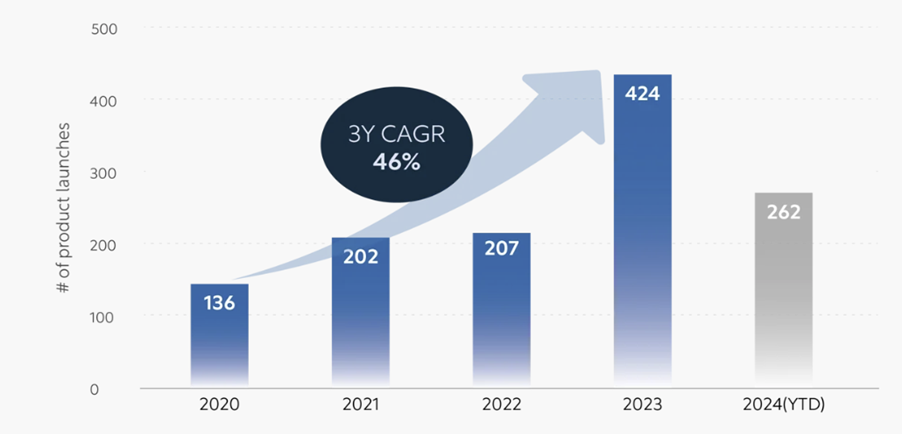
Figure 1. Three-year average annual growth rate (2020–2023)
in new dietary supplement product launches containing skin health related bioticsConsumers are already embracing the idea that ‘gut health is skin health’ and are seeking solutions that improve the gut environment while supporting overall skin condition. This raises two key questions:
-How exactly are the gut and skin connected?
-Through what mechanisms do biotics influence the skin, and what is the scientific evidence behind them?
To address these questions, we will briefly look at recent academic and industry trends surrounding the gut–skin axis and related functional ingredients.Research Trends: Skin, Postbiotics, Rice, and GABA
A growing body of research highlights the gut–skin axis as a central concept in skin health. The gut–skin axis refers to a bidirectional communication system between the gut and the skin, in which the state of the gut microbiota affects skin inflammation, barrier function, and aging via immune, metabolic, neural, and hormonal pathways.
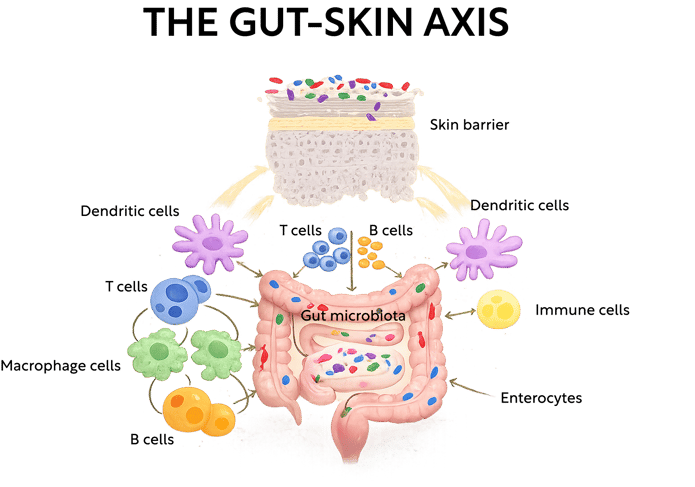
Immune modulation is one of the most prominent interaction mechanisms between the gut microbiota and the skin. When gut microorganisms produce various metabolites such as short-chain fatty acids (SCFAs), these circulate systemically via the bloodstream and can reach skin cells. In doing so, they may help strengthen the skin barrier and regulate inflammatory responses[5]. Indeed, human studies have reported that oral intake of Pro-/Postbiotic products that modulate the gut microbiota can support improvements in acne and photoaging[6].

Because changes originating in the gut can translate into visible effects on the skin via the gut–skin axis, interest is growing in functional ingredients that simultaneously address gut and skin health. Within the gut, our microbiota produces a variety of bioactive substances beneficial to the body. One of the most representative is GABA (gamma-aminobutyric acid). GABA is widely known for its role in the brain, helping to reduce stress and anxiety and improve sleep quality by inhibiting excessive neuronal excitation. Lactic acid bacteria residing in the gut are known to produce GABA via the glutamate decarboxylase pathway[7].
Recently, GABA has been drawing attention as a functional ingredient and is reported to be particularly abundant in rice germ. Interestingly, emerging evidence suggests that GABA may have not only central nervous system benefits, but also direct effects on the skin. One study confirmed the expression of GABA-synthesizing enzyme (GAD67) in dermal fibroblasts, suggesting the presence of a local GABAergic system within the skin itself. This implies that GABA is not just a neurotransmitter in the central nervous system but may also act as a local messenger involved in cellular signaling, regeneration, and inflammation control within the skin[8].
Beyond indirect neural and hormonal pathways, there are also reports of GABA acting directly on skin condition. In a hairless mouse UVB photoaging model, oral administration of GABA and GABA rich lactic acid bacteria fermented rice germ extracts significantly restored UVB induced decreases in skin moisture and elasticity[9].
In other words, not only biotics linked to the gut microbiota, but also functional ingredients like rice germ derived GABA, which connect neuronal, skin, and gut health along a single axis, are expected to become even more important keywords in gut–skin axis based skin health solutions.
Having examined how the gut and the skin form a single functional axis and how ingredients such as rice germ derived GABA can act along this axis to influence skin health let us now move one step closer to the ‘front line’ where these ingredients work: the skin itself.
[5] Schaefer et al., 2024 [6] Munteanu et al., 2025 [7] Otaru et al., 2021 [8] Ito et al., 2007 [9] Zhao et al, 2020
Skin Structure, Damage Factors, and Key Biomarkers
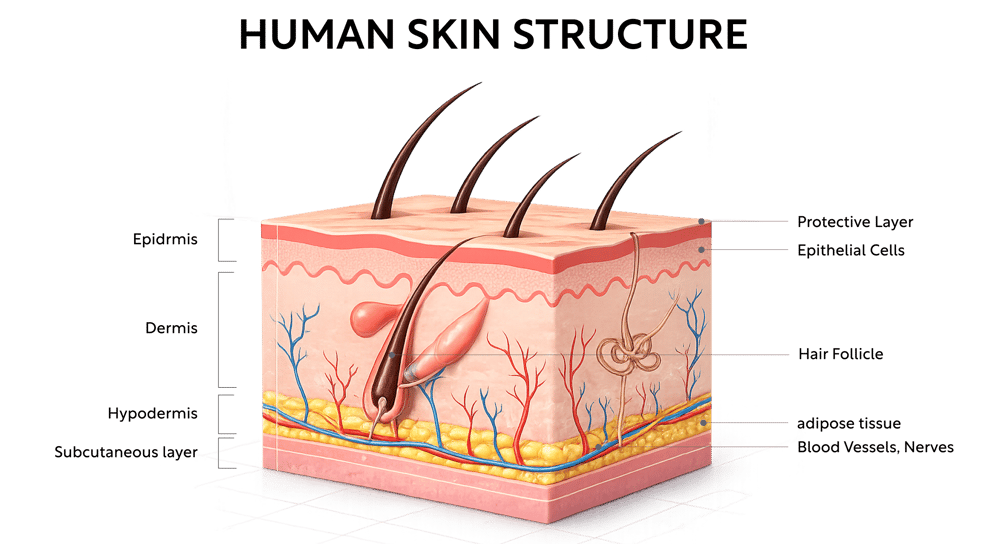
Human skin is composed of three main layers: epidermis, dermis, and subcutaneous tissue. The epidermis, the outermost and thinnest layer (tens to hundreds of micrometers), consists of the stratum corneum (dead cells) and the underlying granular, spinous, and basal layers.
The dermis, located beneath the epidermis, is a thicker, more robust middle layer.
The dermis is also densely packed with structures essential to skin health hair follicles, sebaceous glands, sweat glands, blood and lymphatic vessels, nerves, and sensory receptors
With such a sophisticated structure and direct contact with the external environment, the skin naturally faces constant direct and indirect damage from various sources, like ultraviolet(UV) radiation, air pollution, and today’s digital lifestyle.
Collectively, these factors interact over time to drive complex skin changes including accelerated aging, impaired barrier function, dryness, and texture deterioration.
How can we objectively determine whether the skin is being protected against these internal and external stressors or whether key functions are being compromised? This is where skin biomarkers play a pivotal role. Among the most widely used biomarkers are filaggrin, aquaporin-3(AQP3), and collagen[10].
[10] Verdier-Sevain et al., 2007
Filaggrin
-A protein derived from keratinocytes in the epidermis.
-Aggregates keratin fibers, acting as a kind of ‘glue’ that holds corneocytes together.
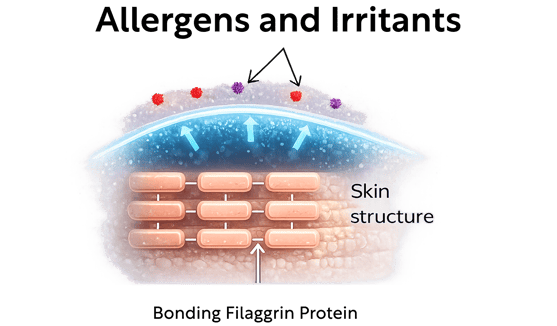
-As filaggrin is degraded, it generates amino acids and other components that form the natural moisturizing factor(NMF), which is crucial for skin hydration, pH control, and barrier integrity.
-Filaggrin deficiency can lead to dryness and heightened sensitivity to external irritants.Aquaporin-3(AQP3)
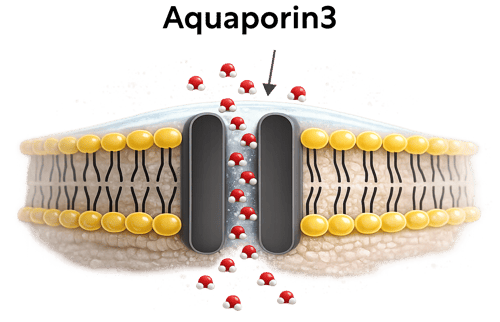
-A membrane channel protein distributed in the basal and spinous layers of the epidermis.
-Transports water and glycerol across cell membranes.
-Plays a key role in water supply and redistribution within the skin, contributing to perceived hydration, elasticity, radiance, and overall healthy texture.Collagen
-The most abundant structural protein in the dermis.
-Determines mechanical strength, elasticity, thickness, and volume.
-Together with elastin and hyaluronic acid, forms the dermal ECM, directly linked to wrinkle formation.In sum, the skin’s complex structure, exposure to multiple stressors, and measurable biomarkers such as filaggrin, AQP3, and collagen enable objective evaluation of skin status.
The critical question then becomes:
Which ingredients can meaningfully and positively modulate these biomarkers and visible skin parameters?Gut–Skin Axis in Action: BiomeNrich™ POST SZ075
From the perspective of the gut–skin axis, a key area of interest is how modulating the gut environment with postbiotics can translate into measurable improvements in human skin. In this context, CJ BIO has thoroughly investigated the effects of BiomeNrich™ POST SZ075 through a comprehensive range of tests, including in vitro, in vivo, and human clinical trials.
BiomeNrich™ POST SZ075 is a 100% plant-based postbiotic derived by fermenting rice germ with Latilactobacillus sakei originally isolated from kimchi. It contains both the fermented material and its metabolites.
BiomeNrich™ POST SZ075 has been shown to support recovery of UV-damaged skin, help retain moisture within skin tissues, improve skin roughness and overall texture.[11]
* Mechanisms of Action for Skin Health (studied in in vitro)
-80% inhibition of MMP-1* activity → Increased procollagen production
-24% increase in filaggrin protein expression
-256% increase in aquaporin-3 expression*MMP(Matrix Metalloproteinase-1): Also known as Collagenase-1, MMP-1 is the primary enzyme responsible for degrading fibrillar collagens (types I and III), which constitute over 80% of the skin's dermis[12]
Taken together, these changes indicate that POST SZ075™ helps inhibit collagen degradation, increase skin density and moisture retention.
Ultimately contributing to improvements in overall skin health and aging markers such as elasticity, hydration, and wrinkles.
[11] Zhao et al., 2023 [12] Pittayapruek et al., 2016
BiomeNrich™ POST SZ075 in vitro study
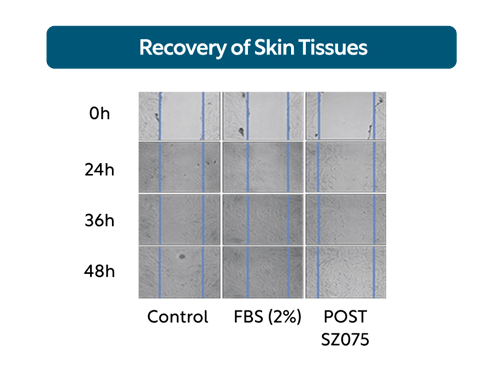
Using human dermal fibroblast (HDF) cell lines, the impact of POST SZ075™ on skin cell regeneration and repair was evaluated. Treatment with POST SZ075™ led to a significant increase in cell proliferation. In a scratch-wound model, POST SZ075™ promoted wound closure at a level comparable to the positive control. These results suggest that POST SZ075™ can directly support regeneration and repair mechanisms within the dermal layer.
BiomeNrich™ POST SZ075 in vivo study
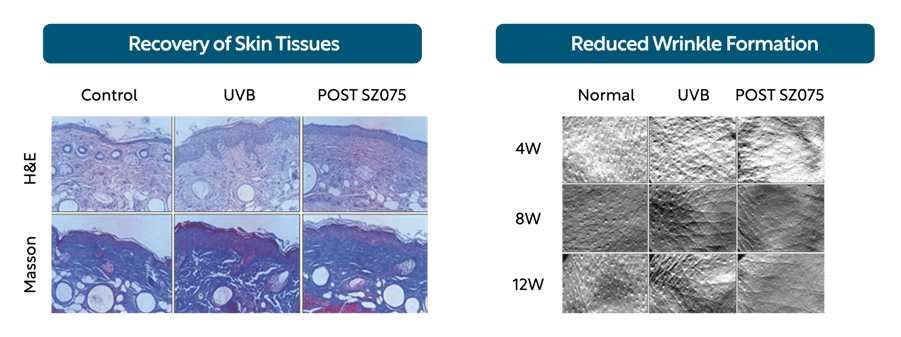
In a UVB-induced photoaging hairless mouse model, oral administration of POST SZ075™ resulted in significant improvements in skin thickness and collagen production versus the UVB-only group. Additionally, marked reductions in wrinkle depth and area were observed over 12 weeks, compared to the UVB-only group. These findings indicate that POST SZ075™ may function as an inner-beauty solution helping to mitigate UV-induced skin aging and barrier damage.
 .
.BiomNrich™ POST SZ075 clinical study
A human clinical trial was conducted with 111 participants over 12 weeks. The test group consumed 500 mg/day of POST SZ075™, and outcomes related to wrinkles and skin condition were objectively measured using instrumental assessments and compared with a placebo group.
In the SZ075 group, the study confirmed improvements in a reduction of crow’s feet wrinkles and an increase in dermal density.

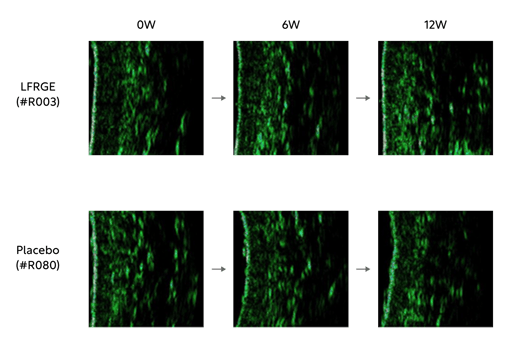
In addition, the skin roughness index also improved, indicating that it helps enhance overall skin texture and condition.
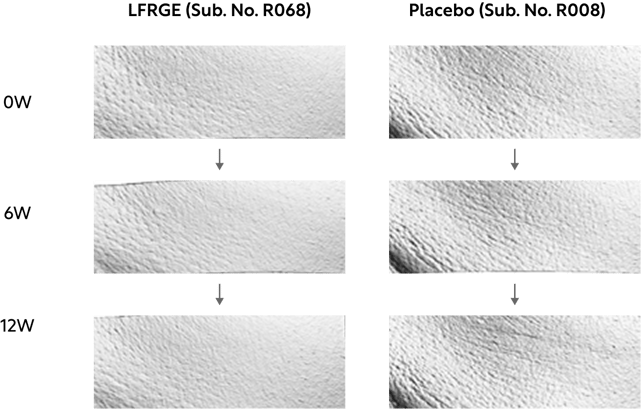
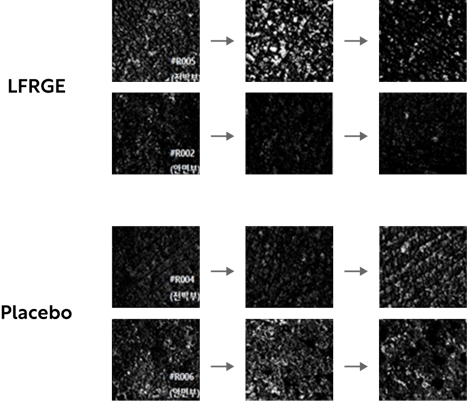
*Key results included:
-Improvement in UV-induced wrinkle parameters
: Up to 1,140% greater reduction in UV-damage–related wrinkle indices versus placebo
: Skin elasticity increased by 614%, skin moisture content by 309%, and dermal density by 172% compared with the placebo group-Improvement in skin hydration and texture
: Significant improvement in skin roughness, indicating benefits for overall skin texture and conditionThrough this clinical study, POST SZ075™ demonstrated its ability to support skin moisturization and help recovery from UV-induced damage. The study was published in Food Science and Biotechnology in 2025.
Redefining ‘Ingestible Skincare’ with the Gut–Skin Axis
As holistic beauty trends merge with growing research on the gut–skin axis, science is confirming that healthy skin begins in the gut. BiomeNrich POST SZ075™ moves beyond marketing hype, offering mechanistic evidence that connects gut microbiota and rice germ–derived GABA to vital skin biomarkers. Supported by integrated in vitro, in vivo, and clinical studies, it is a proven inner-beauty solution that fortifies the skin barrier, boosts hydration and elasticity, and combats wrinkles and photoaging.
Going forward, CJ BIO will continue to develop postbiotics and functional ingredients based on the gut–skin axis, setting new standards in ‘ingestible skincare’ and serving as a trusted partner for brands and consumers seeking science-backed, holistic beauty solutions in everyday life.
Submit your information to receive the complete clinical study report ⬇️
References
1) Innova Market report, 2024
2) Prajapati et al., 2025. Microbiome and Postbiotics in Skin Health. Biomedicines 2025, 13(4), 791.
3) Yang et al., 2025. Biologically Active Components and Skincare Benefits of Rice Fermentation Products: A Review. Cosmetics 2025, 12(1), 29;
4) Zhang et al., 2024. Insights and progress on the biosynthesis, metabolism, and physiological functions of gamma-aminobutyric acid (GABA): a review. PeerJ. 2024 Dec 16;12:e18712.
5) Schaefer et al., 2024. The Bidirectional Gut-Skin Axis: Emerging Evidence and Potential Skin Health Implications. J. Cosmet. Sci. 2024, 75, 633–659.
6) Munteanu et al., 2025. Unraveling the Gut–Skin Axis: The Role of Microbiota in Skin Health and Disease. Cosmetics 2025, 12(4), 167
7) Otaru et al., 2021. GABA Production by Human Intestinal Bacteroides spp.: Prevalence, Regulation, and Role in Acid Stress Tolerance. Front Microbiol. 2021 Apr 15:12:656895.
8) Ito et al., 2007. GABA-synthesizing enzyme, GAD67, from dermal fibroblasts: Evidence for a new skin function. Biochimica et Biophysica Acta 1770(2):291-6
9) Zhoa et al., 2020. Effects of Oral Gamma-Aminobutyric Acid (GABA) Administration on Stress and Sleep in Humans: A Systematic Review. Front Neurosci.2020 Sep 17:14:923.
10) Gromkowska et al., 2021. The impact of ultraviolet radiation on skin photoaging — review of in vitro studies. J Cosmet Dermatol. 2021 Mar 13;20(11):3427–3431.
11) Kim et al., 2022. UVB-mediated DNA damage induces matrix metalloproteinases to promote photoaging in an AhR- and SP1-dependent manner. JCI Insight. 2022 May 9;7(9):e156344.
12) Martic et al., 2022. Effects of Air Pollution on Cellular Senescence and Skin Aging. Cells. 2022 Jul 17;11(14):2220.
13) Han et al., 2025. Air Pollution and Skin Diseases. Ann Dermatol. 2025 Apr;37(2):53-67. English.
14) Suitthimeathegorn et al., 2022. Direct and Indirect Effects of Blue Light Exposure on Skin: A Review of Published Literature. Skin Pharmacol Physiol (2022) 35 (6): 305–318.
15) Cho et al., 2009. Effects of Infrared Radiation and Heat on Human Skin Aging in vivo. J Investig Dermatol Symp Proc. 2009 Aug;14(1):15-9.
16) Verdier-Sevrain et al., 2007. Skin hydration: A review on its molecular mechanisms. Journal of Cosmetic Dermatology. 2007;6(2):75–82.
17) Zhao et al., 2023. The Effect of γ-Aminobutyric Acid Intake on UVB- Induced Skin Damage in Hairless Mice. Biomol Ther (Seoul). 2023 Nov 1;31(6):640-647
18) Pittayapruek et a., 2016. Role of Matrix Metalloproteinases in Photoaging and Photocarcinogenesis. Int J Mol Sci. 2016 Jun 2;17(6):868.